
Yes, drug trafficking is always a felony in Alabama. According to the Alabama Criminal Code, the trafficking of several substances, including cannabis, cocaine, amphetamines, and fentanyl, among others, is an automatic felony offense. If your charges relate to a substance that is not specifically named in the legal code, your attorney can help you understand the specifics of your situation.
Montgomery Drug Trafficking Lawyer
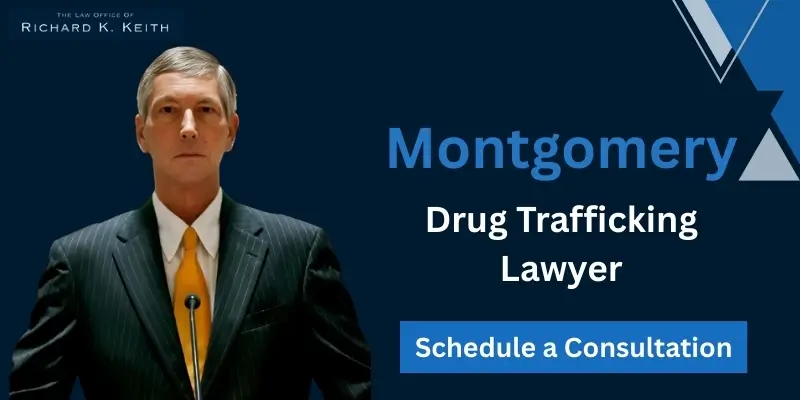
Montgomery Drug Trafficking Attorney
Facing drug trafficking charges can make you feel overwhelmed, stressed, and uncertain of your future. The legal system can be complicated, so it is important that you have experienced legal counsel on your side. When you need to defend yourself against drug trafficking charges in the Montgomery area, you need to hire a quality Montgomery drug trafficking lawyer.
About The Law Office of Richard K. Keith
Criminal defense cases require skilled, knowledgeable attorneys. At The Law Office of Richard K. Keith, we know that our clients are individuals with unique histories, life circumstances, and challenges, and we treat them as such.
With over three decades of criminal defense experience and a conveniently located office on South MacDonough Street in Montgomery, we offer the guidance and support our clients need to navigate their situations with confidence.
What Constitutes Drug Trafficking in Montgomery, Alabama?
When you hear the term “drug trafficking,” you may immediately think of moving large quantities of drugs from one place to another. However, the definition of drug trafficking is not as straightforward as it seems. In short, a person can be charged with trafficking drugs in Alabama if they illegally manufacture, deliver, sell, bring into the state, or possess a controlled substance.
In Alabama, drug trafficking charges largely hinge on how much of a controlled substance a defendant is found to possess. Section 13A-12-230 of the Alabama Criminal Code specifies weight thresholds that constitute possession for several illegal substances, including marijuana, cocaine, heroin, methamphetamines, and others. If a person is found to have a quantity that meets or exceeds that threshold, they can be charged with drug trafficking.
Under Alabama law, there are two kinds of drug possession: actual and constructive. If a person is found with illegal substances on their person or physically with them, that constitutes actual possession.
Constructive possession is a little more subjective, but still provable. A person constructively possesses drugs if they are stored in a location belonging to or under the control of that person, like an apartment or a vehicle.
What Are the Potential Legal Consequences of Drug Trafficking?
Alabama imposes particularly harsh penalties for drug trafficking, with most convictions carrying heavy minimum fines as well as mandatory minimum prison sentences. A mandatory minimum sentence means that a judge must impose at least that prescribed penalty.
Fines and prison sentences depend on the kind and quantity of illegal substance in question. For example, if a person is convicted of trafficking marijuana and they had between 2.2 and 100 pounds in their possession, they could receive a $25,000 fine and a mandatory three-year prison sentence under Alabama law.
Higher quantities result in higher fines and longer prison terms, even if it is a first offense. For example, the mandatory sentence for possessing 10 kilograms of cocaine is life in prison. All of the substances listed in the Alabama Criminal Code have possession thresholds that can automatically result in a life sentence.
If there are other factors that make the offense more egregious, judges may impose harsher sentences. Aggravating factors include selling substances to minors or the illegal possession or use of weapons.
Why You Should Hire a Drug Trafficking Lawyer in Montgomery
Drug trafficking is a felony offense in Alabama that should not be defended without skilled legal representation. A conviction can have consequences that go beyond a criminal sentence. Having a felony on your record can make it difficult to find good employment and live a normal life, and you can even have certain rights and privileges taken away.
If you are facing these charges, it is imperative that you hire a drug trafficking lawyer. According to the U.S. Sentencing Commission, Alabama sentenced 291 individuals for drug trafficking in fiscal year 2024. This was 31% of all federal offenders sentenced in the state and represented the second-highest number of offenders sentenced for any crime category. These statistics highlight how seriously drug trafficking offenses are prosecuted and punished under federal law.
An experienced attorney can make a profound difference in the outcome of your case. They can gather evidence and information about your case, apply their legal knowledge, and help you build a solid legal defense to secure a favorable case resolution. Even if your case goes to trial at the Montgomery County Circuit Court or the District Court for the Middle District of Alabama here in Montgomery, a lawyer can argue your defense aggressively.
FAQs About Drug Trafficking
Does a Drug Trafficking Conviction Always Mean Jail Time in Alabama?
A drug trafficking conviction does not always mean jail time in Alabama, but in most cases, it does. In 2024, the U.S. Sentencing Commission reported that 97.3% of drug trafficking sentences included prison time. Because the state sets mandatory minimum sentences for drug trafficking, it takes a skilled legal defense to resolve a case without a prison sentence.
Does the Kind of Drug Make a Difference in Drug Trafficking Cases in Alabama?
Yes, the kind of drug in drug trafficking cases can make a difference in terms of the severity of a sentence. Controlled substances are categorized by their overall dangerousness and likelihood to be abused, with Schedule I drugs being the most addictive and Schedule V drugs being the least concerning. Trafficking lower-priority substances is a less serious charge than trafficking Schedule I substances.
How Is Drug Trafficking Different From Drug Possession?
The most important difference between drug trafficking and simple drug possession is the quantity of the substance in question. For most illegal drugs, Alabama law specifies amounts that constitute trafficking, rather than just possession. Even if a defendant was not observed distributing drugs, possession of a quantity over the listed thresholds is considered trafficking.
Contact a Montgomery Drug Trafficking Lawyer Today
If you are in the Montgomery area and facing drug trafficking charges, we at The Law Office of Richard K. Keith are ready to defend you. We bring decades of criminal defense experience, legal knowledge, and litigation skills to the table for our clients. Contact us today for a free consultation to discuss your case.
Practice Areas
Office Address

The Law Office of Richard Keith
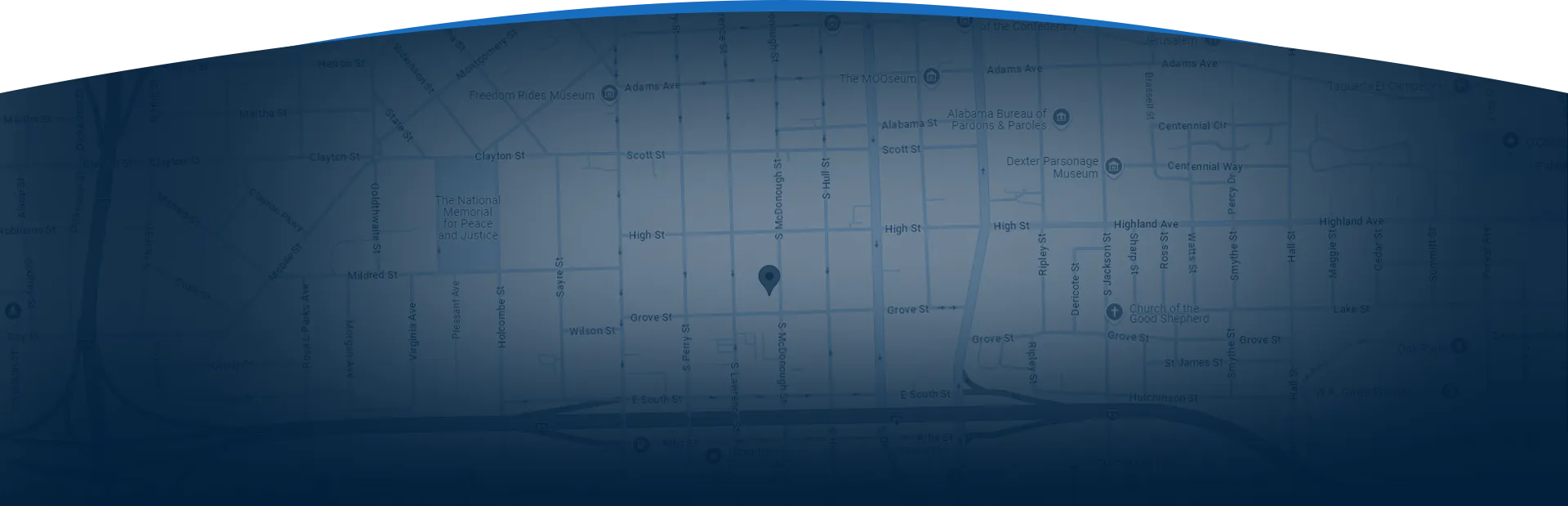
560 South McDonough Street, Suite D Montgomery, AL 36104
office address
560 South McDonough Street, Suite D Montgomery, AL 36104

Contact us
Copyright © 2026 The Law Office of Richard K. Keith. All Rights Reserved.
*Images are obtained under license from Canva and other third-party stock image providers, with attribution included where required.
Digital Marketing By 